

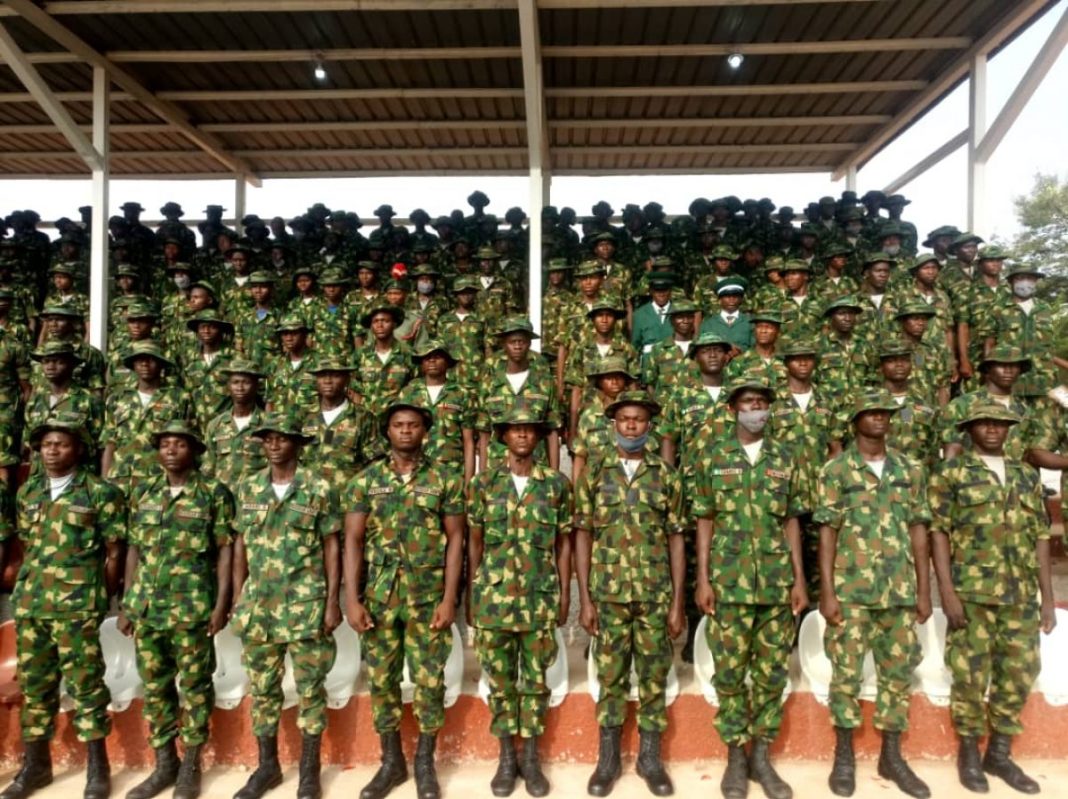

Abuja, Nigeria – President Bola Ahmed Tinubu has approved a major salary increase of up to 80% for junior military personnel, marking the second pay raise for members of the Nigerian Armed Forces within a month as part of efforts to improve troop welfare and strengthen the country’s fight against insecurity.
The new salary structure, which takes effect in September, will see the monthly pay of privates, the lowest-ranking soldiers, rise from ₦equivalent of about $73 to $132, following an earlier increase in July from $36 to $73.
According to the Presidency, the salary review reflects the government’s appreciation for the dedication and sacrifices of military personnel battling terrorism, banditry, kidnapping, and other security threats across the country.
Breakdown of the New Salary Increase
The approved salary adjustments vary by rank:
- Privates to Staff Sergeants: 80% increase
- Warrant Officers to Colonels: 50% increase
- Brigadier Generals to Generals: 30% increase
The adjustment is expected to increase the military’s annual wage bill from approximately $484 million to $678 million.
Tinubu: Soldiers Deserve Better Support
Announcing the approval, President Tinubu praised the courage of Nigerian troops serving in difficult and dangerous conditions.
“The men and women who help to keep us safe in our homes must be supported and appreciated in the course of their duties to our nation.”
He urged members of the armed forces to view the salary increase as a demonstration of the government’s commitment to their welfare, expressing confidence that Nigeria would overcome those threatening the country’s peace and stability.
More Soldiers, More Military Divisions
The salary increase is part of broader reforms aimed at strengthening Nigeria’s military capacity.
Last month, President Tinubu approved the recruitment of 28,000 additional soldiers and authorized the establishment of four new army divisions, increasing the total number of army divisions nationwide to 12.
The expansion is intended to improve intelligence sharing, operational coordination, and rapid response to security challenges across the country.
Nigeria’s Security Challenges Continue
Nigeria continues to face multiple security threats, including:
- Insurgency by Boko Haram and the Islamic State West Africa Province (ISWAP) in the North-East.
- Armed bandit groups responsible for mass kidnappings and attacks across the North-West and North-Central.
- Separatist violence in parts of the South-East.
- Recurring clashes between farmers and herders in several states.
The worsening security situation remains one of the country’s biggest political and governance challenges ahead of the 2027 general elections.
Experts Welcome the Move
Retired Major General and military analyst Bashir Galma described the salary increase as a long-awaited development.
However, he cautioned that future administrations would need to sustain the increased funding, given the significant rise in personnel costs.
Galma also called for similar welfare improvements for other security agencies, emphasizing that protecting Nigeria requires a coordinated effort across all security institutions.
Beyond salaries, he stressed the importance of providing troops with better equipment, including uniforms, boots, modern rifles, and advanced technology needed to effectively combat insecurity.
Troops Await Implementation
While many serving personnel have welcomed the announcement, some have said they will wait until the new salary structure is reflected in their bank accounts before celebrating.
President Tinubu reaffirmed his administration’s commitment to prioritizing troop welfare while continuing to modernize the armed forces with improved weapons, equipment, and technology to better tackle Nigeria’s evolving security challenges.