
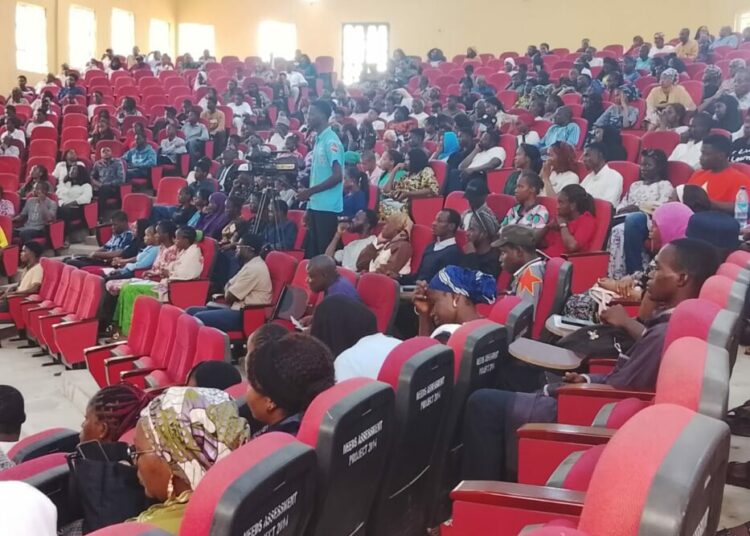

Nigeria’s higher education institutions are increasingly capturing international attention, thanks to years of incremental reforms, strategic policy interventions, and renewed institutional ambition. The 2026 Times Higher Education (THE) World University Rankings by Subject has become a defining milestone, placing Nigerian universities firmly on the global stage and highlighting the country’s growing academic influence in Africa.
For the first time, 24 Nigerian universities were listed across multiple disciplines, making the country the most represented in Sub-Saharan Africa. From Law and Medicine to Computer Science, Engineering, and the Social Sciences, these institutions are entering competitive global tiers historically dominated by older, better-funded systems in Europe, North America, and parts of Asia.
This expanding footprint reflects a combination of rising research output, improved academic staffing, and targeted policy reforms aimed at strengthening teaching, learning, and innovation. Beyond the numbers, the rankings tell a deeper story of institutional determination: Nigerian universities are transforming local scholarship into global influence, signaling a shift from regional relevance to international impact.
The Nigerian Universities Ranking Advisory Committee (NURAC) commended the performance, noting that the 2026 results confirm Nigeria’s growing credibility within one of the world’s most rigorous academic evaluation frameworks. The rankings cover 11 broad subject areas, including Arts and Humanities, Business and Economics, Computer Science, Education, Engineering, Law, Life Sciences, Medical and Health Sciences, Physical Sciences, Psychology, and Social Sciences.
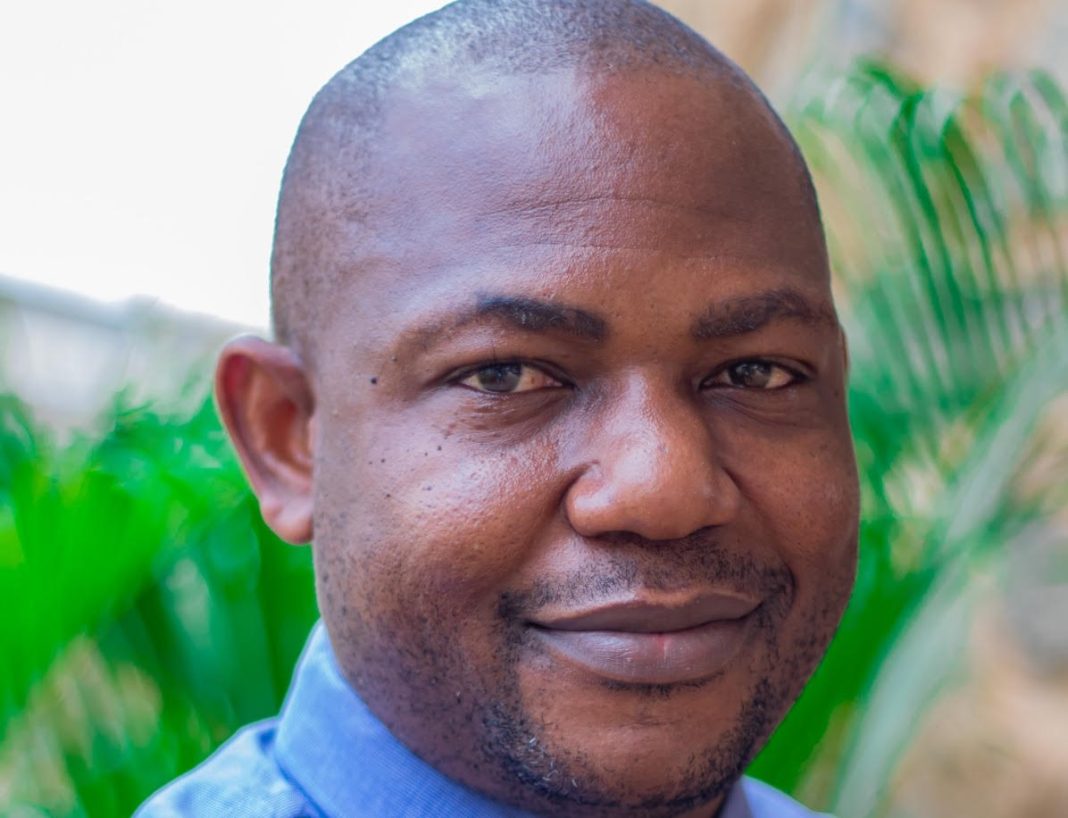
Professor Emeritus Peter Okebukola, chairman of NURAC and former Executive Secretary of the National Universities Commission (NUC), described the rankings as a testament to the resilience and expanding academic strength of Nigeria’s universities. “Institutions are increasingly breaking into elite global tiers across diverse disciplines, an achievement that would have seemed unlikely a decade ago,” he said.
Okebukola credited part of the progress to recent policy measures, including improved welfare packages for university staff and planned enhancements in teaching, learning, and research environments under President Bola Ahmed Tinubu’s administration. He also acknowledged the foundations laid by previous administrations, highlighting the contributions of Professor Abubakar Adamu Rasheed during his tenure as NUC Executive Secretary.
To qualify for inclusion in the 2026 rankings, universities had to meet strict benchmarks. These included a publication threshold, requiring a minimum number of research papers published in the relevant subject over five years, and a staff threshold, ensuring a sufficient proportion of academic personnel in that field. For example, Engineering required at least 500 papers, while Law required 100, a standard that immediately excluded many institutions globally.
Within this challenging context, Nigerian universities achieved notable breakthroughs. In Law, the University of Ibadan and the University of Nigeria, Nsukka entered the global top 400 (301–400 band). In Medical and Health Sciences, the University of Ibadan maintained a 301–400 ranking, while the University of Lagos placed 401–500, and Ahmadu Bello University, Bayero University Kano, the University of Benin, the University of Jos, and the University of Nigeria, Nsukka appeared in the 601–800 band. Babcock University, Obafemi Awolowo University, and the University of Ilorin ranked in the 801–1,000 band.
Nigeria’s technology and science-focused universities also fared well. In Computer Science, Landmark University led national representation in the 501–600 band, followed by Covenant University and the University of Ilorin in the 601–800 range. Physical Sciences saw strong performances from the Federal University of Technology, Minna, Landmark University, and the University of Ilorin, also in the 601–800 band.
Social Sciences, a traditional area of strength, saw Covenant University and the University of Ibadan ranked 501–600, with the University of Lagos at 601–800. Psychology featured the University of Nigeria, Nsukka in the 501–600 band, marking a notable achievement in a highly specialised field.
The Times Higher Education rankings employ 18 performance indicators across five pillars: Teaching (learning environment), Research Environment (productivity, income, reputation), Research Quality (citation impact and excellence), International Outlook (staff, students, collaboration), and Industry Income (knowledge transfer and innovation). Okebukola emphasized that these metrics demand sustained institutional effort rather than short-term interventions.
“Nigerian universities are no longer simply participating in global assessments; they are competing at levels that command international respect,” he said. “Research in Law, Medicine, and the Sciences is increasingly shaping global academic discourse, reflecting years of reform, capacity building, and persistence in challenging circumstances.”
NURAC reaffirmed its commitment to collaborating with the NUC to ensure that this upward trajectory becomes a permanent feature of Nigeria’s higher education landscape. The committee sees the 2026 results not as a final destination, but as a foundation for deeper transformation, positioning Nigerian universities to redefine Africa’s role in global academia.