


The National Human Rights Commission (NHRC) has called for increased and sustained investment in teachers and school infrastructure, warning that Nigeria’s goal of quality education cannot be achieved without strengthening the people and systems responsible for delivering it.
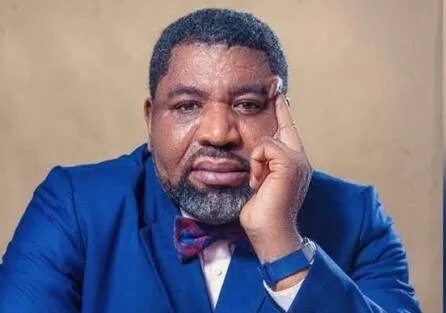
The commission made the call in a World Teachers’ Day message issued by its Executive Secretary, Chief Tony Ojukwu.
According to the NHRC, access to education should not be measured solely by whether children are enrolled in school. The quality of teaching, availability of learning materials and the conditions in which students learn are equally important to achieving meaningful educational outcomes.
Beyond Getting Children Into Classrooms
The commission stressed the need for adequately trained and motivated teachers, functional classrooms, essential learning materials, reliable water and sanitation facilities, electricity and safe learning environments.
It warned that inadequate infrastructure and other barriers continue to undermine the right to education, particularly for children and other vulnerable groups.
The NHRC therefore urged governments at all levels and other stakeholders to make education a sustained priority by providing the resources needed to improve teaching and learning.
It also called for greater investment in teachers through professional training, continuous development and improved working conditions, noting that teachers remain at the heart of every successful education system.
Every Child Deserves a Safe Place to Learn
The commission further urged authorities to pay greater attention to children who face barriers to accessing quality education.
It stressed that every child should have the opportunity to learn in a safe, inclusive and conducive environment, regardless of their circumstances.
According to the NHRC, education is not only a fundamental human right but also a foundation for human capital development, economic growth and national progress.
The commission also called for stronger collaboration and accountability across the education sector, particularly to ensure that funds allocated to schools result in tangible improvements in classrooms and learning outcomes.
Nigeria continues to face challenges including infrastructure deficits, teacher shortages and unequal access to quality education.
For the NHRC, addressing these challenges requires more than policies and programmes. It requires sustained investment in teachers and the schools where children learn.
Without well-supported teachers and functional learning environments, the goal of quality education for every Nigerian child will remain difficult to achieve.