

Education is widely regarded as one of the most important investments any government can make. According to the World Bank, it is not merely a social service but a critical form of infrastructure that drives job creation, economic growth, social stability, and national development.
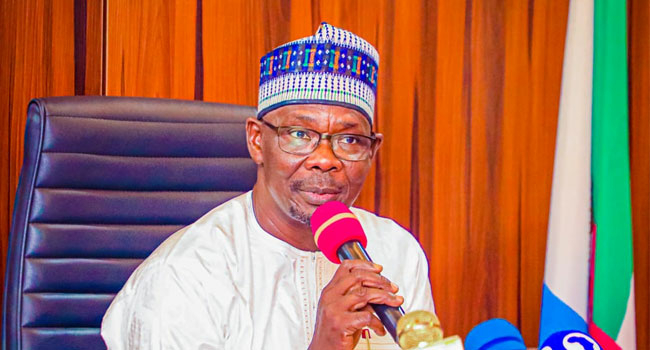
In Nasarawa State, the administration of Governor Abdullahi Sule has made education a central pillar of its development agenda, implementing reforms aimed at improving access, infrastructure, technical skills, and human capital development.
Revitalising Basic Education
When Governor Sule assumed office in 2019, Nasarawa’s basic education sector faced years of neglect. The state had failed to pay counterpart funding owed to the Universal Basic Education Commission (UBEC) for 2016, 2017, and 2018, preventing access to more than ₦5 billion in federal matching grants.
To reverse the situation, the state government released ₦2.7 billion to settle the outstanding obligations, unlocking the funds and restoring collaboration with UBEC.
The intervention paved the way for the construction and rehabilitation of modern classrooms, administrative offices, sanitation facilities, and solar-powered water systems in several communities, including Mararaban Gongo (Wamba LGA), Mahanga (Awe LGA), Kokona, and Lafia.
The state’s performance also earned national recognition. During an inspection tour, UBEC Executive Secretary Hajiya Aisha Garba reportedly ranked Nasarawa among Nigeria’s best-performing states in the utilisation of education intervention funds.
Promoting Skills-Based Learning
Beyond improving school infrastructure, the Sule administration has focused on equipping students with practical skills needed for employment and entrepreneurship.
The state has integrated vocational and technical education into the basic education curriculum, enabling students to acquire skills such as:
- Mobile phone repairs
- Tailoring
- Solar installation
- Welding
- Information and Communication Technology (ICT)
- Carpentry
The initiative is designed to ensure that students leave junior secondary school with both academic knowledge and practical skills that can generate income and improve their future employment prospects.
According to the government, the approach also helps reduce school dropout rates by giving students, especially those from vulnerable backgrounds, opportunities to support themselves financially while pursuing their education.
Expanding the Teaching Workforce
Recognising the importance of qualified teachers in delivering quality education, the state government has taken steps to strengthen its workforce.
More than 2,250 teachers have been regularised, while approval has been granted for the recruitment of over 8,000 teaching and non-teaching personnel, including approximately 3,500 teachers for secondary schools.
The administration has also promoted more than 5,000 teachers, a move aimed at improving staff motivation and rewarding professional excellence.
In addition, public secondary schools have undergone renovation and expansion, while science and technical schools have been equipped with modern laboratories and instructional facilities to support practical learning.
Strengthening Higher Education
The reforms extend beyond basic education to higher institutions across the state.
Nasarawa State University, Keffi, has expanded with the establishment of a Faculty of Engineering in Gudi, Akwanga Local Government Area, alongside a new Faculty of Medicine to increase the production of skilled professionals.
Similarly, the former College of Agriculture, Lafia, has been upgraded to the College of Agriculture, Science and Technology, broadening its capacity to train students in agriculture, science, technology, and innovation.
The Wing Commander Abdullahi Ibrahim Vocational Institute in Lafia has also received significant upgrades, providing practical training that has enabled many young people and unemployed residents to acquire employable skills, establish businesses, and create jobs.
Other vocational centres, technical colleges, and ICT hubs have equally benefited from infrastructure improvements and modern equipment to meet the demands of today’s labour market.
Improving Access Through Student Support
The Nasarawa State Government says improving access to education also requires making it more affordable.
To achieve this, the administration has continued to expand financial support for students while implementing policies aimed at ensuring that no learner is left behind because of economic hardship.
Through sustained investments in infrastructure, teacher development, vocational training, and higher education, the Sule administration seeks to build an education system capable of producing skilled graduates, supporting economic growth, and preparing young people for the demands of a rapidly changing world.