
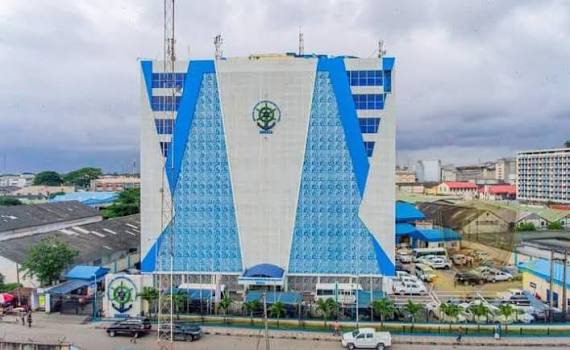

The Nigerian Maritime Administration and Safety Agency (NIMASA) has inaugurated a new Maritime Museum at the Nigerian Maritime Resource Development Centre in Lagos to preserve and promote Nigeria’s rich maritime history and cultural heritage.
The newly commissioned facility is expected to serve as a centre for education, research and public awareness, while preserving valuable maritime artefacts and historical records for future generations.
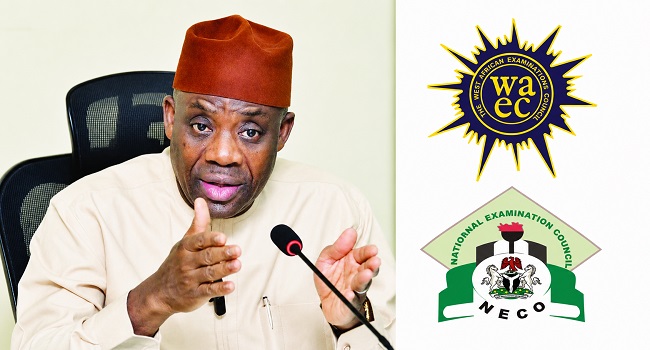
The museum was officially commissioned by Mrs. Aisha Jidda, Director of Planning, Research and Data Management Services, on behalf of the Director-General of NIMASA, Dr. Dayo Mobereola.
Promoting Maritime Education and Research
Speaking during the inauguration, Dr. Mobereola described the museum as a national repository that documents Nigeria’s maritime past, celebrates its present achievements and inspires future development.
“This museum will preserve our maritime artefacts and records, while also serving as an educational and research hub for students, scholars and industry players,” he said.
According to the Director-General, the museum features historical artefacts, archival documents and interactive exhibits that showcase the evolution of Nigeria’s maritime industry and highlight major milestones and innovations within the sector.
Supporting the Blue Economy
Dr. Mobereola noted that establishing the museum aligns with NIMASA’s mandate to promote maritime awareness, strengthen capacity development and encourage greater interest in maritime careers.
He explained that preserving Nigeria’s maritime heritage would not only inspire future professionals but also support research and reinforce the strategic importance of the maritime sector to national development.
“By preserving our heritage, we inspire future talent, support research, and reinforce the strategic role of the maritime sector in national development and the growth of the Marine and Blue Economy,” he stated.
Open to Students and the Public
NIMASA encouraged students, researchers, maritime professionals and members of the public to visit the museum to gain a deeper understanding of Nigeria’s maritime history and its contributions to trade, security and economic growth.
The agency said the museum forms part of its broader efforts to promote knowledge, professionalism and national pride while supporting the sustainable development of Nigeria’s maritime industry and the emerging Blue Economy.