

Long celebrated as the continent’s living archive of history, identity and collective memory, African music is now at the centre of renewed calls for reform in music education. As global interest in African sounds continues to grow, scholars warn that weak educational structures at home threaten the transmission of this rich heritage to future generations, making deliberate investment in indigenous music education more urgent than ever.
Across Africa, music has always been more than entertainment. It functions as a record of social values, political struggles and communal life. Yet, despite this deep-rooted tradition, formal music education on the continent remains poorly structured, underfunded and marginalised. The debate, experts say, is no longer about the existence of music education in Africa, but about how to strengthen and modernise it through intentional, far-reaching reforms.
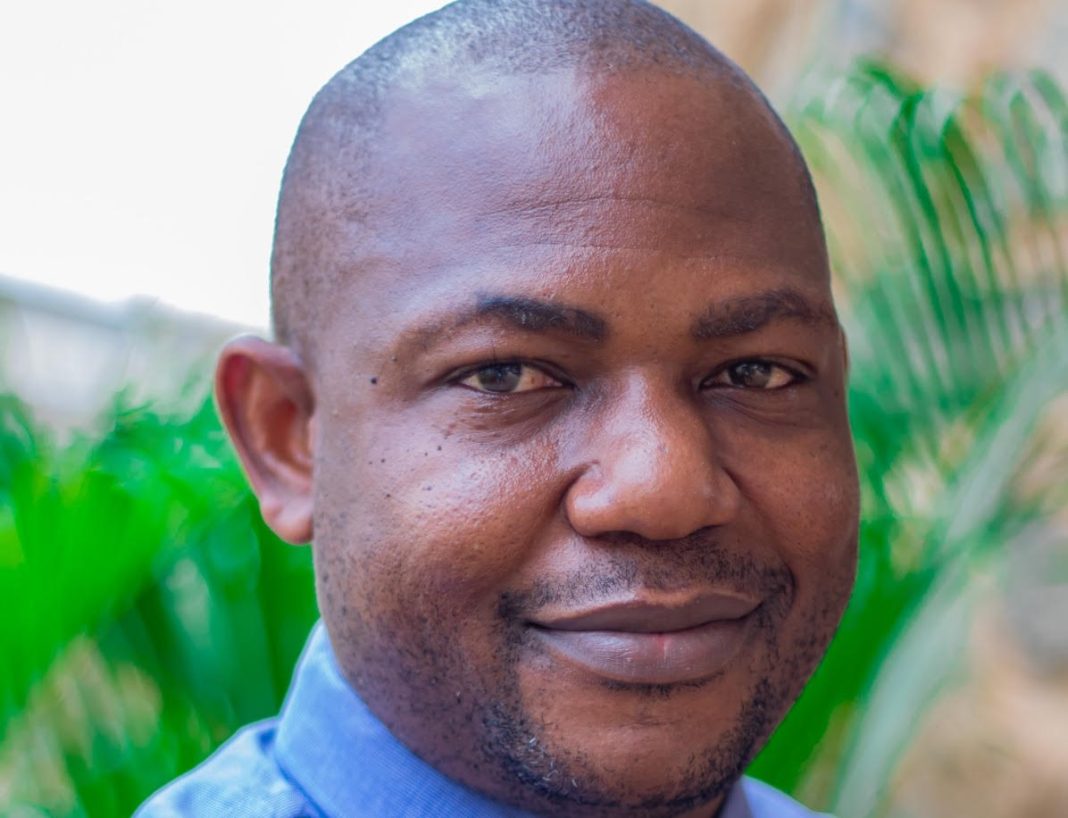
Renowned Professor of Ethnomusicology and African Musicology, Adeoluwa Okunade, describes the current state of music education as one of promise under threat. He notes that while colonialism introduced Western-style formal education, including music, the post-colonial period has witnessed a steady decline in structured music learning.
“Music education in Africa is not where it should be,” Okunade said, pointing to Nigeria’s recent curriculum changes that merged music with other creative subjects under Cultural and Creative Arts. “In that arrangement, music has been drowned.”
According to him, the implications go beyond curriculum design. Music, he stressed, is a vessel of Africa’s collective memory, preserving political history, economic realities and social values. “If care is not taken, these histories will die. Music preserves the soul of a people,” he warned.
One major concern, Okunade explained, is that formal music education often ends at the junior secondary school level, leaving vast creative potential untapped. He noted that professional bodies such as the Association of Nigerian Musicologists (ANM) and the Society of Music Educators in Nigeria (SOMEN) have intensified advocacy, engaging the Federal Ministry of Education to restore music as a distinct and robust subject, similar to the eventual reinstatement of history after public pressure.
For Okunade, effective music education must go beyond informal exposure. “It is structured learning that develops talent into expertise,” he said. “Just as agriculture goes beyond subsistence farming to scientific improvement, music must also move beyond casual practice.”
Beyond government policy, scholars are turning to churches, communities and cultural institutions to sustain music practice, recognising religion as a powerful channel for musical transmission across generations.
Okunade’s scholarship has taken African music to global classrooms in the United States, Brazil, Malaysia and beyond, where it has emerged as one of Africa’s strongest cultural ambassadors. He noted a growing global appetite for African sounds, driven by fatigue with Western musical dominance.
“People want something different, something African,” he said, citing Yoruba music studies in Brazil, world music festivals across Europe and the Americas, and the rising prominence of African pianism, where Western instruments are played using African rhythmic and aesthetic principles.
According to him, African musical elements often rejected in Western harmony, such as parallel movement, are central to African expression. Research into African music in the diaspora has also reshaped global narratives, particularly in countries like Brazil and Cuba, where African musical traditions survived slavery and displacement and evolved into enduring cultural and spiritual symbols.
At home, Okunade acknowledged progress in Nigerian universities, including the introduction of African choruses, ensembles, orchestras and indigenous instruments into academic curricula. However, he stressed that practical training remains inadequate, limiting students’ full immersion in African musical traditions.
“The renewed global interest is an opportunity for African institutions to deepen investment in indigenous music education and strengthen Africa’s voice globally,” he said.
Former ANM Public Relations Officer, Dr Samuel Ajose, also expressed optimism, noting a gradual shift away from Western dominance towards indigenous knowledge systems. He described music education in Africa as expanding, with increasing recognition of African traditions as valid systems of knowledge.
Ajose highlighted music’s role in social development, from promoting health awareness and civic responsibility to fostering national unity. He also underscored its economic value, citing Africa’s thriving music industry, sold-out concerts abroad and significant foreign exchange inflows, particularly from Nigeria’s popular music scene.
Despite these gains, he warned that preservation has become more urgent in the age of Artificial Intelligence and digital platforms. He called for the systematic digitisation of African music to ensure adequate representation online. “If our music is not in global databases, future technologies will not reflect our identity,” he said.
Efforts to strengthen music scholarship continue through professional recognition. The Association of Nigerian Musicologists annually confers the Fellow of the Association of Nigerian Musicologists (FANM) award on individuals who have made outstanding contributions to teaching, research, performance and community service.
Among recent recipients is Prof. Adeoluwa Okunade, honoured for decades of scholarship, leadership in Pan-African music education and pioneering research, including the acclaimed Yoruba Art Music project. According to Ajose, the FANM award, granted after a rigorous review process, is reserved for a select group whose work has significantly shaped music education in Nigeria and beyond.
Together, scholars agree that rebuilding Africa’s music education system is not optional. It is essential to preserving cultural identity, harnessing creative potential and securing Africa’s place in the global cultural future.