

President Donald Trump has escalated his controversial ambitions to acquire Greenland, threatening to impose tariffs on countries that oppose the move. Speaking at a White House meeting on rural healthcare, Trump said, “I may put a tariff on countries if they don’t go along with Greenland, because we need Greenland for national security.”
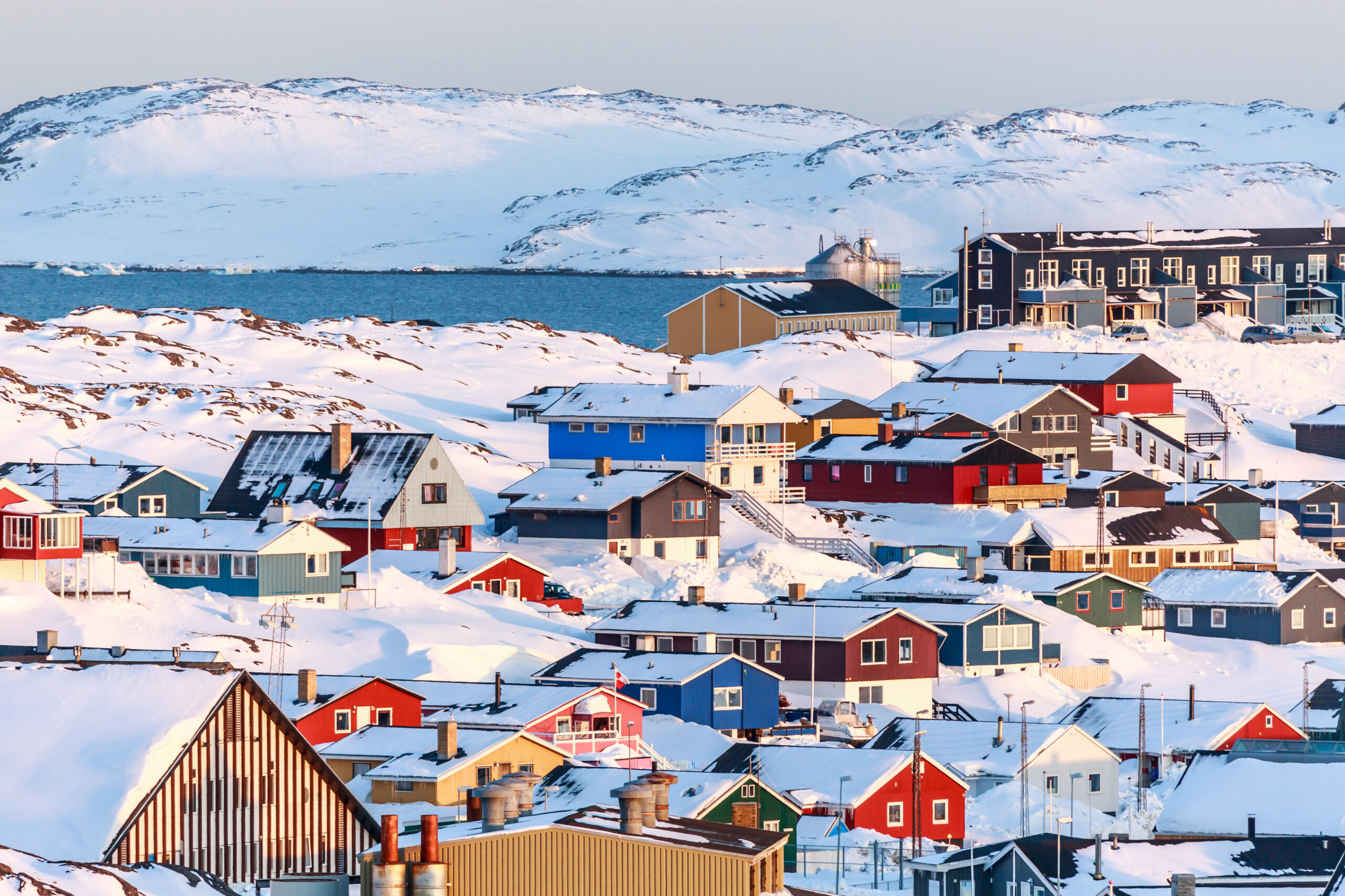
Greenland, a self-governing territory under Denmark, is sparsely populated but rich in resources and strategically located between North America and the Arctic, making it valuable for missile early warning systems and maritime monitoring. The U.S. already maintains over 100 military personnel at its Pituffik base, operated since World War II, and has the right to deploy additional troops under existing agreements.
Trump has suggested the U.S. could acquire Greenland “the easy way or the hard way,” hinting at a purchase or potential military action—remarks that have drawn sharp criticism from Denmark, which warned that any unilateral military move could spell the end of NATO. European allies, including France, Germany, Sweden, Norway, Finland, the Netherlands, and the UK, have voiced support for Denmark and have sent limited troops to Greenland for reconnaissance missions.
The announcement came as a bipartisan U.S. congressional delegation visited Greenland, including Democratic and Republican lawmakers, to engage local leaders and show support for the territory. Senator Chris Coons described the trip as a way to “lower the temperature” and listen to local concerns. Greenlandic MP Aaja Chemnitz said the visit made her “hopeful,” emphasizing the need for allies and stating, “It’s a marathon, not a short sprint.”
While some U.S. lawmakers, like Senator Lisa Murkowski, sponsor bills to block the annexation, a few Republicans have introduced rival legislation supporting Trump’s plan.
Trump’s envoy to Greenland, Jeff Landry, told Fox News that the U.S. should negotiate directly with Greenland’s leaders, not Denmark, asserting, “The president is serious… we represent liberty, economic strength, and protection.”
The proposal has triggered international skepticism and bipartisan debate within the U.S., with concerns over legality, NATO relations, and the implications of imposing tariffs on opposing nations.