

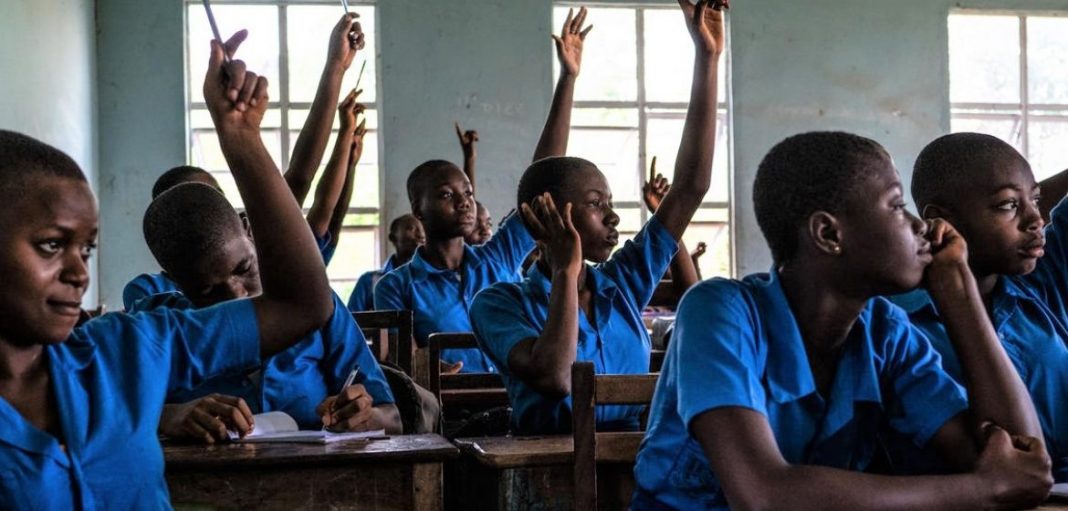

The UNICEF has raised fresh concerns over the continued low access to early childhood education in Jigawa State, Kano State, and Katsina State.
The organisation warned that the region risks falling further behind in building a strong foundation for children’s learning and development, largely due to inadequate funding.
Speaking at a two-day media dialogue on strengthening early childhood education held in Dutse, the Officer-in-Charge of the UNICEF Field Office in Kano, Karanveer Singh, described early learning as one of the most impactful and cost-effective investments any society can make. He cautioned that failure to prioritise it now would worsen Nigeria’s ongoing learning crisis.
He revealed that access to early childhood education remains low across the states, with only about 29 percent of children in Kano enrolled, around 32 percent in Katsina, and roughly 24 percent in Jigawa.
Singh stressed that these figures go beyond statistics, representing children who are being denied a strong start in life, particularly in rural and underserved communities where the situation is most critical.
He further noted that the region’s high number of out-of-school children and widespread learning poverty are being worsened by limited access to foundational education. In some communities, literacy rates are said to be below 15 percent.
According to him, many children begin primary school without the basic cognitive, social, and emotional skills needed to succeed, making it harder for them to catch up as they progress.
He emphasised that early childhood education plays a crucial role in either reducing or reinforcing inequality. The first five years of a child’s life, especially from birth to age five, are vital for brain development and long-term learning outcomes.
Singh identified several challenges affecting the sector, including low awareness among parents, a shortage of trained caregivers, poor infrastructure, and insufficient learning materials. Despite these issues, he maintained that meaningful progress is possible with stronger political commitment and increased funding.
He added that UNICEF remains committed to supporting state governments through teacher training, provision of play-based learning materials, community awareness campaigns, and improved education data systems for better planning.
He also urged governments to prioritise early childhood care and development education in their budgets, employ more trained educators, and expand child-friendly learning environments.
Addressing journalists, Singh highlighted the important role of the media in shaping public awareness and influencing policy decisions, urging them to bring attention to the issue and drive urgency around what he described as a “silent crisis.”
He encouraged media practitioners to report on existing gaps, share real-life stories from affected communities, and amplify the voices of children and teachers to promote accountability and reform.
The dialogue concluded with a renewed call for stronger collaboration among government, civil society, the media, and development partners to ensure that every child in the North-West region has access to quality early education and a fair start in life.