

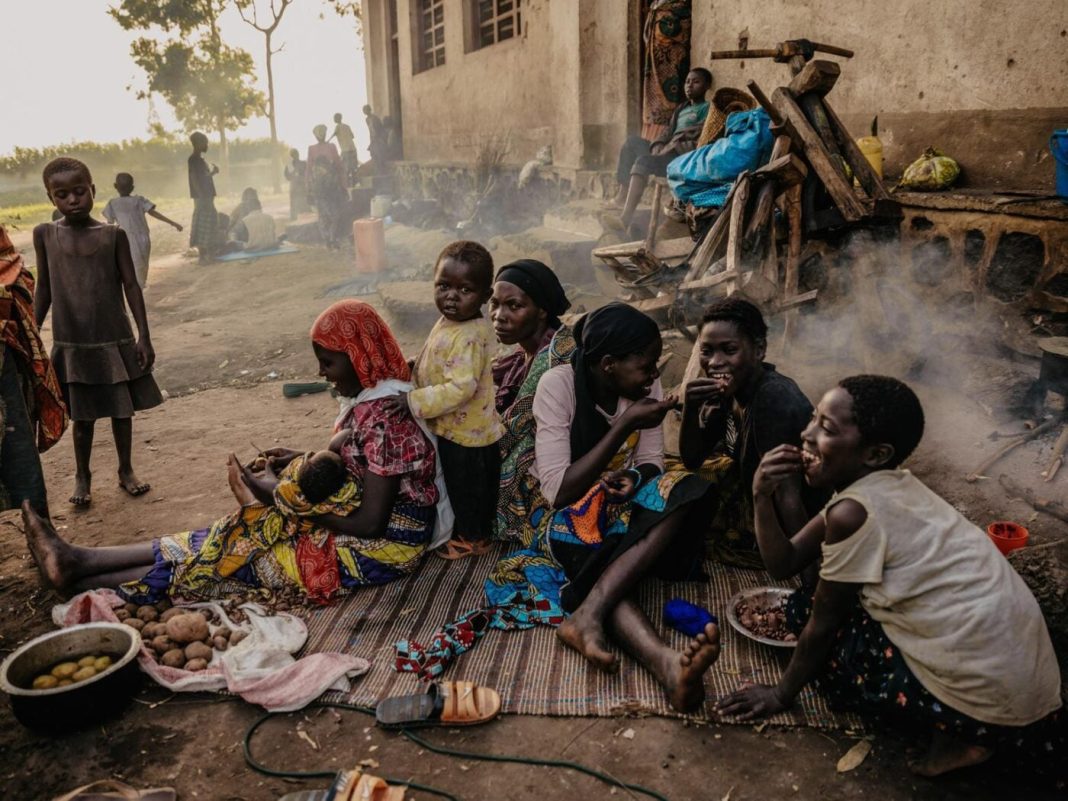

A new UNESCO report warns that despite progress, the number of out-of-school children continues to rise, driven by population growth, crises, and shrinking education budgets.
“One in six school-age children worldwide is excluded from education, and only two in three students complete secondary school,” the report states. Yet it highlights that progress is possible, as many countries are showing measurable gains when policies are tailored to local realities.
Khaled El-Enany emphasized the mixed picture: “The report confirms an alarming trend, with more young people being deprived of education each year, but there is still hope. Since 2000, primary and secondary enrolment has grown by 30 percent, with meaningful progress in many nations.”
UNESCO remains committed to helping governments expand learning opportunities: “Our goal is to ensure every learner has a fair chance to build their future.”
The report shows that progress has slowed almost everywhere since 2015, with sub-Saharan Africa particularly affected due to rapid population growth. Conflicts and crises have also disrupted education: over one in six children live in conflict-affected areas, adding millions more to those already out of school. The Middle East remains especially vulnerable, with school closures leaving millions at risk of falling behind.
Despite setbacks, some countries have achieved remarkable gains. Madagascar and Togo have cut out-of-school rates among children by at least 80 percent since 2000. Morocco and Vietnam have achieved similar success for adolescents, while Georgia and Türkiye have made major strides for youth. Côte d’Ivoire halved its out-of-school rates across all age groups.
Globally, 1.4 billion students are now enrolled in school, marking a 30 percent increase in primary and secondary education since 2000. Pre-primary enrolment grew 45 percent, and post-secondary education surged 161 percent equivalent to more than 25 children entering school every minute.The report also highlights the importance of broader social interventions: electrification in Cambodia added nearly a full year of schooling, while school feeding programs can provide up to half a year of learning per $100 spent in low- and middle-income countries. Cash transfers tied to school attendance increase enrolment likelihood by 36 percent.
Inclusive education is on the rise: since 2000, the share of countries with inclusive laws rose from 1 percent to 24 percent, and those mandating education for children with disabilities increased from 17 percent to 29 percent. Yet only 8 percent of countries effectively use funding mechanisms to support disadvantaged groups.
“Progress is not one-size-fits-all. National targets must be ambitious but realistic, and policies must consider local realities,” said Manos Antoninis, director of the GEM report. UNESCO stresses that no single policy can solve education exclusion. Successful interventions must address local challenges, combine education with social programs, and be guided by evidence. Compulsory education laws, child labor regulations, electrification, meal programs, and targeted cash transfers all contribute to keeping children in school and learning.
The report serves as both a warning and a call to action: millions of children remain outside the classroom, but with the right policies and investments, education can reach every learner.