

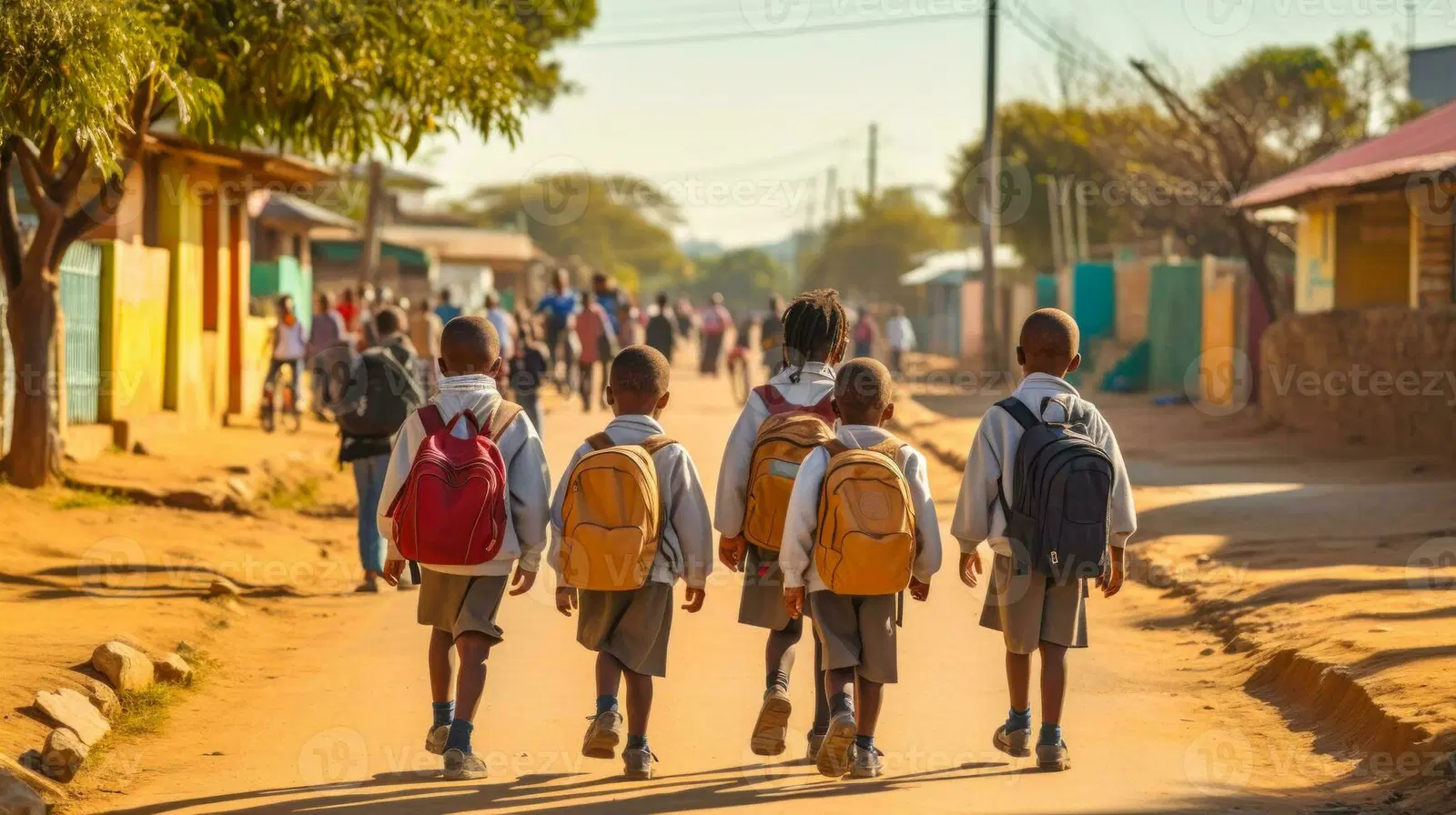
An estimated 7 million children living with disabilities in Nigeria face a harsh reality: 95.5 percent of them are out of school. Systemic barriers inaccessible school buildings, deep-rooted stigma, cultural bias, and discrimination have shut the classroom door on millions. Only a tiny fraction are enrolled in formal education.
Nigeria already holds the troubling record of having the highest number of out-of-school children globally, with about 10.5 million children not attending school. A disproportionate number of them are children with disabilities children who are far less likely to ever step into a classroom than their peers without disabilities.
Yet behind these statistics are stories many of them untold.
In countless African homes, children and adults with disabilities are hidden away, treated as family secrets, wrapped in silence and shame.
Growing up, I believed my father was his mother’s only son. It was only as an adult that I discovered I had an uncle.
He was accomplished. In the 1950s, he studied at Lincoln University in the United States, alongside African icons like Nnamdi Azikiwe and Kwame Nkrumah. He returned home, became active in local politics, and showed great promise.
But when a psychological disability manifested in adulthood, his story changed. He reportedly spent the next five decades confined in an institution erased from public memory, never spoken about, hidden even from his own family narrative.
How many others from that era disappeared the same way?
Sadly, this culture of exclusion persists. Persons with disabilities whether physical, intellectual, developmental, sensory, or psychological continue to face discrimination and invisibility.
Although Nigeria has special education institutions such as the Pacelli School for the Blind and Partially Sighted and the Wesley School for the Hearing Impaired, these facilities are few, mostly urban-based, and grossly inadequate for millions in need. Many function more as care centres than as environments that nurture independence, knowledge, and future opportunity. In effect, segregation often reinforces the idea that children with disabilities are incomplete rather than equal members of society.
In Lagos a city of over 21 million people with more than one million school-age children only 17 out of 1,001 public primary schools reportedly provide special education services. The gap is staggering. Families frequently face pressure to hide children with disabilities, while those seeking better options often confront overwhelming financial burdens, particularly in low-income communities.
The consequences are severe. Children denied quality education are left without skills for the labour market, pushing many into cycles of dependency, poverty, and lifelong hardship.
Nigeria does have legal protections. The Discrimination Against Persons with Disabilities (Prohibition) Act, 2018 guarantees the right to education without discrimination and provides free education up to secondary level. The National Policy on Inclusive Education and the National Policy on Special Needs Education also exist to promote equity and access.
The issue is not the absence of laws it is the failure to implement them effectively.
Government action must go beyond policy documents. It must include:
-
Large-scale training of special education teachers
-
Upgrading school infrastructure for accessibility
-
Providing assistive learning and assessment tools
-
Sustained investment in inclusive systems across all education tiers
Without political will and concrete implementation, Nigeria will continue to deny millions of children their fundamental rights and in doing so, weaken its own human capital potential.
But government alone cannot fix this.
As a society, we must confront our biases. We must replace shame with acceptance, silence with advocacy, and invisibility with recognition. Awareness must begin within our homes.
My uncle lived into his late 80s.
I do not even know his name.
Even in death, he remains hidden.
And until Nigeria truly embraces inclusive education, millions of children will remain hidden too.