
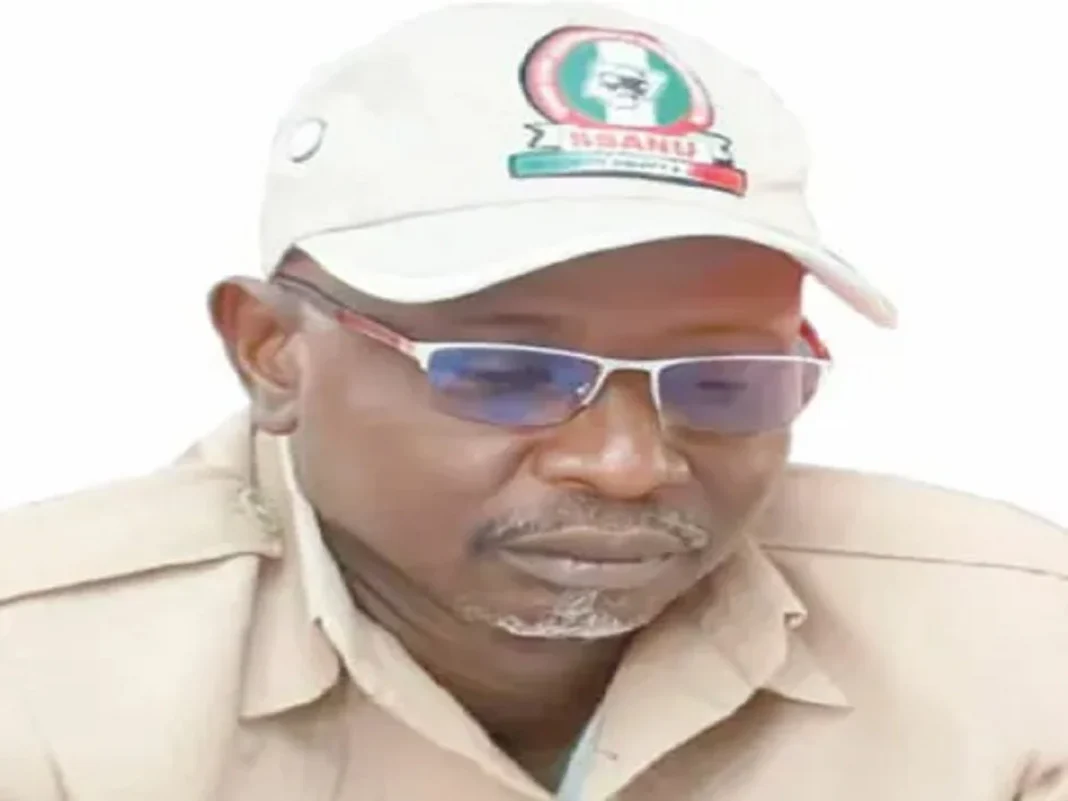

The National President of the Senior Staff Association of Nigerian Universities (SSANU), Comrade Mohammed Haruna Ibrahim, has called on the Federal Government to prioritise education funding, describing it as the foundation for addressing Nigeria’s social and economic challenges.
Speaking in an interview, Ibrahim said no country can achieve sustainable national development without making significant and consistent investments in its education sector, particularly universities.
Reflecting on his participation at the International Labour Conference of the International Labour Organization (ILO) in Geneva, the SSANU president said the global engagement exposed Nigeria’s higher education system to international best practices while highlighting the country’s biggest challenge—poor funding.
According to him, universities across the world operate under internationally recognised standards for quality education, governance, research and service delivery, regardless of their location.
“The greatest lesson from our interactions with university workers across different countries is that no university system can consistently deliver quality teaching, research and innovation without adequate and sustained funding,” he said.
Ibrahim stressed that universities are complex institutions that rely not only on lecturers but also on non-teaching personnel who provide essential administrative, technical and professional services.
He explained that SSANU members play critical roles in university administration, financial management, infrastructure maintenance, student services and institutional planning, making them indispensable to the smooth running of higher institutions.
Rising Insecurity Threatens Academic Excellence
The SSANU president also expressed concern over worsening insecurity on university campuses, warning that criminal activities are disrupting academic activities and threatening the nation’s educational future.
He noted that many public universities lack adequate security infrastructure despite occupying vast expanses of land, leaving campuses vulnerable to attacks by kidnappers and other criminal groups.
According to Ibrahim, repeated incidents of abductions and insecurity have created fear among students and staff, discouraging students from using libraries, laboratories and other academic facilities after dark.
“Education cannot thrive in an atmosphere of fear and uncertainty,” he said, adding that insecurity continues to undermine research, teaching and learning across the country.
Renegotiation of University Agreements Near Completion
On the ongoing renegotiation of agreements between the Federal Government and university unions, Ibrahim said the process is nearing completion after almost 17 years.
He commended the current government negotiating team for demonstrating commitment and a willingness to engage constructively with university unions.
However, he criticised the government’s delay in implementing previously approved financial obligations, including the outstanding arrears of the 25 and 35 per cent salary adjustments, unpaid wage awards and earned allowances owed to university workers.
Despite these concerns, he expressed optimism that the negotiations would produce an agreement capable of improving workers’ welfare while strengthening Nigeria’s university system.
Implementation Must Be the Priority
Ibrahim acknowledged that the major challenge has never been signing agreements but ensuring they are fully implemented.
To address this, he revealed that the proposed agreement includes an implementation and monitoring committee comprising representatives of the Budget Office of the Federation, the Office of the Accountant-General, the Federal Ministry of Education, the National Universities Commission and university unions.
He said the committee would ensure proper coordination, monitor implementation and prevent the failures that have affected previous agreements.
With the 2026 national budget already approved, Ibrahim expressed confidence that implementation could begin without unnecessary delays once the agreement is signed.
He maintained that meaningful investment in education remains one of the most effective ways to address Nigeria’s economic, social and developmental challenges.